
How LEGO Communities Connect Builders Worldwide
A box of LEGO® bricks may begin as an individual hobby, but for millions of fans, building quickly becomes something much bigger.
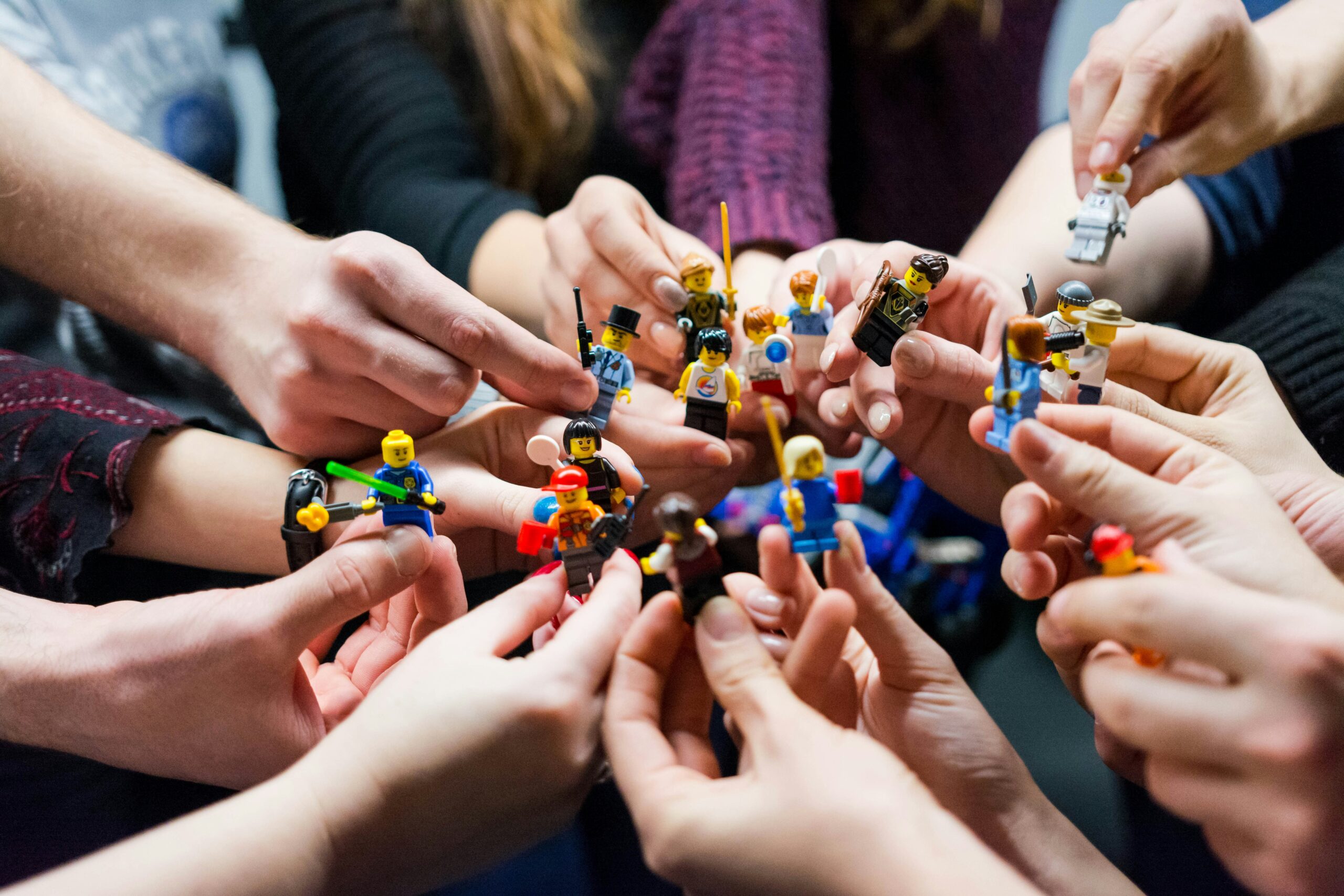
LEGO enthusiasts around the world connect through local clubs, fan events, online communities, marketplaces, conventions, social media groups, and creative platforms where builders share ideas and inspire one another.
Some are children discovering LEGO for the first time. Others are lifelong collectors, professional artists, custom builders, parents, or AFOLs, Adult Fans of LEGO.
What connects them is a common language built one brick at a time.
For LEGO fans throughout Walker, Grand Rapids, and West Michigan, places like Bricks & Minifigs Walker also provide an opportunity to experience that community locally.
Learn more about Bricks & Minifigs Walker:
https://bricksandminifigs.com/walker-mi/
LEGO Has a Worldwide Fan Community
LEGO fandom extends far beyond simply purchasing and building sets.
The LEGO Group officially supports organized fan communities through the LEGO Ambassador Network, commonly known as LAN.
According to LEGO, the Ambassador Network brings together some of the most active and innovative Adult Fan of LEGO communities around the world.
Recognized LEGO communities include:
- Recognized LEGO User Groups
- Recognized Online Communities
- Recognized LEGO Fan Media
These organizations help fans connect, share creations, organize events, exchange knowledge, and participate in the larger LEGO community.
Source:
https://www.lego.com/en-us/service/help-topics/article/about-the-lego-ambassador-network-lan
LEGO Ambassador Network Community Directory:
https://lan.lego.com/clubs/overview/
What Does AFOL Mean?
If you’ve spent much time around serious LEGO builders, you’ve probably seen the term AFOL.
AFOL stands for Adult Fan of LEGO.
Adult builders represent an important part of LEGO culture. Some collect retired sets and rare minifigures. Others build massive cities, castles, trains, sculptures, spaceships, architectural models, or completely original creations.
LEGO itself regularly features adult builders and their experiences within the LEGO fan community.
Source:
https://www.lego.com/en-us/categories/adults-welcome
The LEGO Ambassador Network also recognizes communities built specifically around adult LEGO enthusiasts.
Source:
https://lan.lego.com/clubs/overview/
For many AFOLs, LEGO becomes more than a hobby.
It becomes a way to meet people who share their creativity and interests.
LEGO User Groups Bring Builders Together Locally
One of the most important parts of LEGO fandom is the LEGO User Group, often abbreviated as LUG.
These groups allow fans to connect in their own regions.
Members may organize:
- Group builds
- Public displays
- Conventions
- Exhibitions
- Building challenges
- Community events
- Collaborative projects
- Educational activities
- Collector meetups
Some LEGO User Groups are officially recognized by the LEGO Group through the LEGO Ambassador Network.
LEGO’s community directory shows recognized fan organizations from around the world, demonstrating just how geographically diverse the LEGO community has become.
Source:
https://lan.lego.com/clubs/overview/
LEGO Events Turn Building Into a Shared Experience
LEGO fan events provide another way for builders to meet face-to-face.
At these events, fans may display elaborate MOCs, exchange ideas, learn new techniques, shop for parts, and meet other people who share their enthusiasm for LEGO.
The LEGO Ambassador Network recognizes major AFOL Networking Events, where adult fans from different locations can gather to build, share, inspire, and connect.
Source:
https://lan.lego.com/events/featured/
Large collaborative displays are especially impressive because dozens of builders may combine separate creations into one enormous LEGO world.
A medieval kingdom might contain castles built by several people.
A LEGO city might combine individually designed skyscrapers, train stations, neighborhoods, vehicles, and landscapes.
The result demonstrates one of LEGO’s greatest strengths:
Individual creativity can become collective creativity.
LEGO Ideas Connects Builders Through Creativity
One of the clearest examples of LEGO community participation is LEGO Ideas.
LEGO describes LEGO Ideas as a globally available open-innovation community where fans can submit ideas for potential LEGO sets and support ideas created by other members.
Source:
https://www.lego.com/en-us/aboutus/lego-group/fan-engagement-and-programs
LEGO Ideas:
Builders can develop original concepts and share them with people around the world.
Other fans can then support those ideas.
Projects that reach the required support threshold can become eligible for LEGO review, where some are eventually selected for development as official products.
This creates something unusual in the toy industry:
Fans aren’t simply customers.
They can participate in the creative ecosystem surrounding the brand.
MOCs Give Builders Their Own Voice
Another major part of LEGO community culture is the MOC.
MOC stands for My Own Creation.
A MOC is an original LEGO creation made without simply following instructions for an official set.
MOCs can range from a small custom vehicle to enormous creations containing tens of thousands of pieces.
Builders create:
- Castles
- Spaceships
- Modular buildings
- Cities
- Landscapes
- Trains
- Historical scenes
- Fantasy worlds
- Sculptures
- Machines
- Original characters
Sharing these creations allows builders to exchange techniques, receive feedback, and inspire other fans.
LEGO Ideas provides one highly visible platform for original fan-created concepts:
And builders looking for unusual pieces for their own creations can explore the changing inventory at Bricks & Minifigs Walker:
https://bricksandminifigs.com/walker-mi/
The LEGO Marketplace Connects Collectors Too
Community isn’t limited to building.
Collecting and trading also connect LEGO fans around the world.
BrickLink has become a major part of that ecosystem. The platform describes itself as a worldwide marketplace for buying and selling LEGO parts, sets, and minifigures, including both new and used inventory.
Source:
BrickLink’s extensive catalog also helps collectors research specific sets, individual pieces, and minifigures.
That makes the platform useful not only for buying and selling but also for understanding LEGO history and cataloging collections.
For local collectors, Bricks & Minifigs Walker provides another way to participate in the LEGO secondary market without relying entirely on online transactions.
Customers can explore changing inventory and learn more about buying, selling, and trading LEGO locally:
https://bricksandminifigs.com/walker-mi/
LEGO Communities Preserve History
Fan communities also play an important role in preserving LEGO history.
Collectors document:
- Retired themes
- Vintage sets
- Rare minifigures
- Packaging variations
- Building instructions
- Mold variations
- Historical catalogs
- Classic factions
- Production changes
The LEGO Group maintains its own official history documenting the company’s development from its founding in 1932 through the evolution of the modern LEGO System in Play.
Official LEGO history:
https://www.lego.com/en-us/history/
Meanwhile, collector communities and marketplaces help document individual sets and pieces that have appeared across generations.
This combination of official history and fan knowledge helps keep older LEGO themes alive long after they disappear from store shelves.
LEGO Connects Generations
LEGO community isn’t defined by a single age group.
A parent who played with Castle or Space sets decades ago may now introduce those same themes to a child.
A teenager may learn an advanced building technique from an adult collector.
A grandparent may rediscover a childhood collection while building with grandchildren.
The LEGO Group offers products intended for children as well as adults, reflecting the unusually broad age range of the hobby.
Source:
https://www.lego.com/en-us/categories/all-sets
That cross-generational appeal creates communities where experience and creativity can be shared between people at very different stages of life.
Local LEGO Stores Help Build Local Communities
Global communities are powerful, but LEGO connections often begin locally.
Specialty stores give enthusiasts a physical place to:
- Discover new sets
- Search for retired sets
- Find minifigures
- Browse bulk bricks
- Sell collections
- Trade LEGO
- Meet other fans
- Share building ideas
Bricks & Minifigs Walker provides that kind of destination for LEGO fans throughout Walker, Grand Rapids, Comstock Park, Grandville, Rockford, Sparta, and surrounding West Michigan communities.
Visit Bricks & Minifigs Walker:
https://bricksandminifigs.com/walker-mi/
Explore the broader Bricks & Minifigs store network:
https://bricksandminifigs.com/store-locator/
Why Community Makes LEGO Different
LEGO may begin with plastic bricks, but the experience extends far beyond the pieces themselves.
Builders teach one another.
Collectors help preserve history.
Fans inspire new designs.
Communities organize events.
Families build together.
People who may live thousands of miles apart can connect over the same hobby.
The LEGO Group’s formal recognition of LEGO User Groups, online communities, fan media, LEGO Ideas participants, and AFOL networking events demonstrates how important community has become to the broader LEGO experience.
Sources:
https://www.lego.com/en-us/aboutus/lego-group/fan-engagement-and-programs
https://lan.lego.com/clubs/overview/
https://lan.lego.com/events/featured/
And here in West Michigan, Bricks & Minifigs Walker gives builders and collectors a place to experience a small piece of that worldwide community close to home.
Because sometimes the best thing you can build with LEGO isn’t a castle, spaceship, or city.
It’s a connection with another builder.
Frequently Asked Questions
What does AFOL mean in the LEGO community?
AFOL stands for Adult Fan of LEGO. The term is commonly used to describe adults who build, collect, display, or otherwise participate in LEGO as a hobby.
What is a LEGO User Group?
A LEGO User Group, or LUG, is a community of LEGO enthusiasts who connect through building, collecting, events, displays, and other LEGO-related activities. Some groups are officially recognized by the LEGO Group through the LEGO Ambassador Network.
What is the LEGO Ambassador Network?
The LEGO Ambassador Network is a program connecting recognized LEGO fan communities, including LEGO User Groups, online communities, and fan media from around the world.
How does LEGO Ideas connect builders?
LEGO Ideas allows fans to submit original LEGO concepts, share them publicly, and support projects created by other builders. Selected concepts can eventually be reviewed for possible development as official LEGO products.
What does MOC mean in LEGO?
MOC stands for My Own Creation. It refers to an original model designed by a LEGO builder rather than a model built directly from an official LEGO instruction set.
Are there LEGO communities for adults?
Yes. Adult LEGO enthusiasts participate in LEGO User Groups, online communities, conventions, fan events, collecting communities, and AFOL networking events around the world.
How can LEGO fans connect locally in West Michigan?
LEGO fans throughout Walker, Grand Rapids, and West Michigan can visit Bricks & Minifigs Walker to explore LEGO sets, minifigures, retired products, bulk bricks, and buy-sell-trade opportunities while connecting with the local LEGO hobby.